
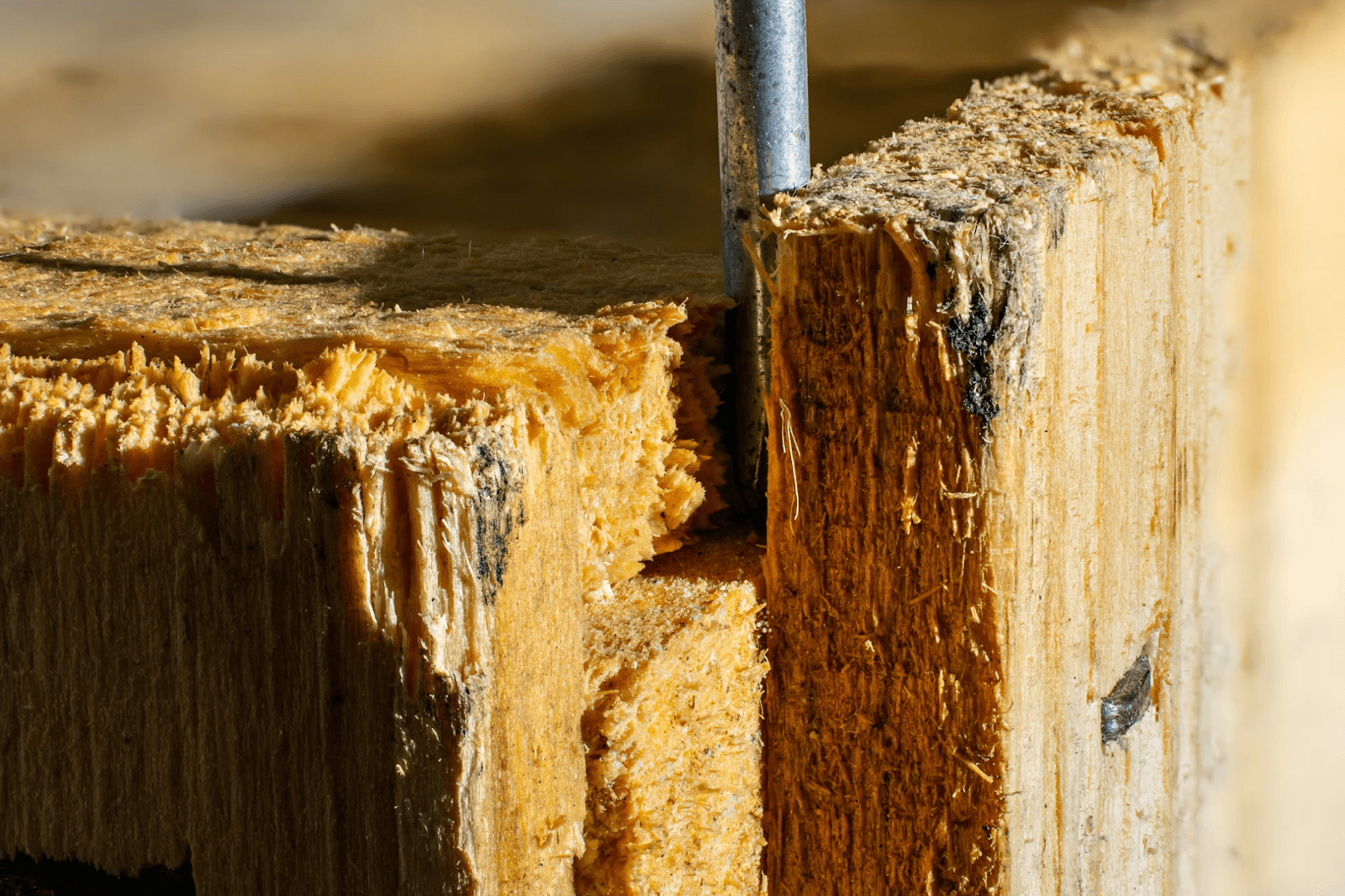
Termites can be a serious threat to your property. Left unchecked, they can cause significant damage, affecting the structural integrity of your home and resulting in costly repairs.
Many homeowners often ask, “What do termites look like?” At CPR Pest Control, we’ve created an easy-to-follow guide to help you recognize these destructive pests and their signs, even when you can’t spot them directly. We’ll cover the typical appearance of termites, the most common species found in Australia, and what to look for to identify a potential infestation.
What is a termite?
A termite is an insect that feeds primarily on wood, thanks to its attraction to cellulose. This makes properties with wooden structures particularly vulnerable to termite infestations.
Termite colonies consist of various types of termites, including workers, soldiers, and those with a reproductive role. These insects range in size from about a quarter of an inch to half an inch in length.
Much like ants, termites reproduce rapidly, with a queen laying thousands of eggs at a time.
While termites and ants share similar behaviours, termites are often mistaken for ants, earning them the nickname “white ants” from many frustrated homeowners. Pest control experts use the term “termite” as it’s the correct scientific name.
How do you tell a termite apart from ants?
Termites and ants are often confused due to their similarities in size, colony structure, and activity. However, there are a few key differences that can help you tell them apart.
Here’s a breakdown of the key characteristics:
- Body Structure: Termites have soft, light brown to white bodies with no distinct segmentation. Unlike ants, which have a pinched waist, termites appear to have just a head and body connected.
- Antennae: Termite antennae are straight and beaded, with a slight curve at the end. Ants, on the other hand, have elbowed antennae.
- Wings: Termites have two pairs of wings of equal length, while ants have longer front wings and shorter hind wings.
Here’s a Closer Look
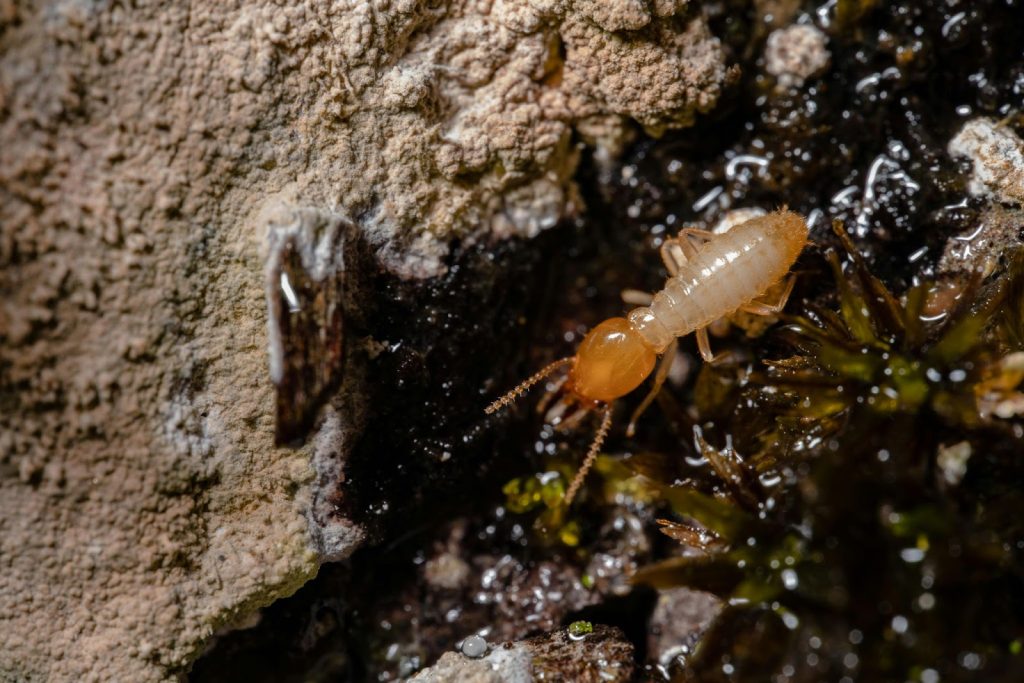
Recapping Key Differences (termites vs ants)
| Termites | Ants | |
| Body | Soft, unsegmented; light brown/white | Segmented with a pinched waist |
| Antennae | Straight with a slight bend | Elbowed |
| Wings | Two pairs, equal length | Front wings longer than hind wings |
Common Types of Termites in Australia
Australia is home to several species of termites, some of which are more destructive than others. Known as subterranean termites, these pests can vary in appearance, size, colour, and body structure.
Understanding the different species will help you assess the severity of an infestation.
Here are some of the most common termite species found in Australia:
Coptotermes
Often considered the most destructive type of termite, Coptotermes termites are known for their aggressive behaviour. They can even bite when disturbed, causing injury.
These termites are about 5.8mm in length (similar to a grain of rice) and have a pear-shaped head. Their bodies are white in colour. One of their distinctive features is their “Exudate” defence mechanism, which is a white liquid secreted from the head. This substance not only helps them capture prey but also protects them from predators like cockroaches and crickets.
Schedorhinotermes
A major threat to wooden properties, this species is the second most damaging termite in Sydney. To identify Schedorhinotermes, look for a head that changes colour from pale to dark brown.
There are two types of soldiers in this species: major soldiers with large, bulbous heads (5 to 7.5mm) and minor soldiers with smaller heads (3 to 5.5mm).
Nasutitermes
This newer termite species is typically darker in colour. They are also known for nesting in trees. At about 4.2mm in size, they are slightly larger than a grain of rice. If you live in a colder climate, these termites are more likely to invade your property, and you may notice their snouts are more pointed
Heterotermes
Heterotermes are commonly found in wooden structures like fences and decks. They have rectangular heads, unlike the circular heads of Schedorhinotermes. Their bodies are cigar-shaped, about 4.75mm long, and maintain a consistent white colour. The jaws of the soldier termites are darker than the rest of their body.
Mastotermes
Mastotermes are particularly destructive, similar to Coptotermes, but they feed on timber rather than other materials. These termites have a cockroach-like appearance due to their darker colour and elongated body. They are larger than average at 12.25mm in size and can cause significant damage to your property.
The Early Signs of an Infestation
Recognizing the early signs of a termite infestation is crucial for preventing widespread damage. Here are some common signs to watch out for:
- Hollow-sounding Wood: If you tap on wooden structures and hear a hollow sound, this could indicate termite activity.
- Tight or Stiff Doors and Windows: If doors and windows have become difficult to open or close, it may be due to termite damage.
- Termite Droppings (Frass): Small piles of sawdust-like droppings around your home may be a sign of termites.
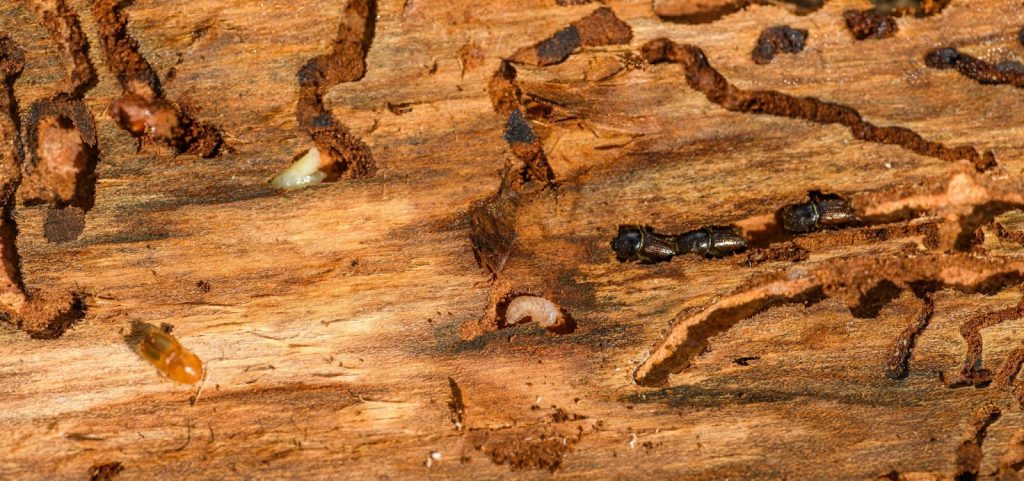
Are You Dealing with Termite Damage?
If you suspect termite damage, it’s essential to act quickly. Termites are highly destructive and can cause rapid damage. A professional pest control expert can assess the situation and recommend an appropriate treatment plan. Depending on the severity of the infestation, options include:
Chemical Barriers: These create a treated zone around your home, offering a more powerful deterrent.
Baiting Systems: These systems attract termites and lure them away from your property.
Trust CPR Pest Control for Termite Control
The key to effective termite treatment is finding the right pest control team. At CPR Pest Control, we provide expert termite control solutions for homes and businesses throughout Sydney. Whether your infestation is small or large, we offer reliable, hassle-free services that will restore peace of mind.
Our team is trained to handle all types of infestations with care, ensuring your space remains pest-free for longer. With our help, you can have the assurance that your property will be free of termites.
Contact CPR Pest Control today for expert termite control!
FAQS
How can I prevent termites on my property?
How can I prevent termites on my property?
Preventing termites requires regular maintenance. Here’s how you can keep them at bay:
- Annual Termite Inspections: Regular inspections are the best way to catch early signs of termites.
- Reduce Moisture: Keep your home well-ventilated and ensure moisture-prone areas stay dry.
- Remove Wood Debris: Keep woodpiles and other debris away from your property’s foundation.
Are termites harmful to humans?
Generally, termites don’t pose a direct threat to humans. However, species like Coptotermes may bite if threatened.
What is the lifespan of a termite?
Termite lifespans vary depending on their role within the colony:
Queen termites: Up to 20 years
Worker termites: 1-2 years
Reproductive termites: 4 years
 02) 6573 2503
 admin@cprpestmanagement.com.au
 Hunter Valley Region