
You save for years to buy your dream home. You pour your heart into making it a haven for your family. But right under your feet, a silent threat could be eating away at your investment. Termites are secretive destroyers, working out of sight in your walls, subfloor, and roof frame.
They chew through the very wooden skeleton of your property, often for years, before you notice a problem. By then, the damage can be severe, compromising your home’s safety and costing tens of thousands of dollars in repairs. The single most effective way to stop these hidden invaders is with a professional termite inspection. This guide will walk you through everything you need to know to protect your Australian home.
Why Termite Inspections are Non-Negotiable in Australia
Let’s be blunt: our Australian climate is a five-star resort for termites. Warm, humid conditions in many regions create the perfect environment for colonies to thrive. It’s estimated that termites cause more property damage each year than fires and storms combined.
The cost of repairing extensive termite damage can be financially devastating for a homeowner. Compare that to the relatively small investment of a routine inspection and the potential cost of termite treatment. It’s not an expense; it’s a crucial form of insurance for your most valuable asset. This is why engaging professional pest control for regular checks is a non-negotiable part of responsible home ownership.
What Exactly is a Termite Inspection?
So, what is a termite inspection? It’s far more than a quick glance around your skirting boards. A certified pest inspector conducts a thorough, systematic examination of your property. They are trained to find subtle clues of past or present termite activity, assess conditions that attract termites, and identify potential entry points.
The goal is to catch a problem early, before significant damage occurs. This service is also a critical step in real estate transactions, providing buyers and sellers with a clear picture of the property’s structural health. It’s a due diligence check that can save you from a nightmare purchase.
The Step-by-Step: What a Professional Inspector Does
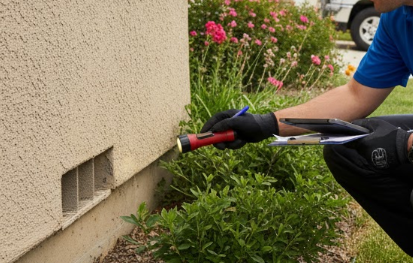
When a CPR technician arrives at your property, they follow a meticulous process. They aren’t just looking for termites themselves, but for the evidence they leave behind. The inspection covers the interior, exterior, sub-floor, roof void, and outbuildings.
Our experts pay special attention to high-risk areas like weep holes, plumbing penetrations, and areas of wood-to-soil contact. Using tools like moisture meters, torches, and sounding tools, they check for changes in timber integrity. They are actively looking for the classic signs of termite infestation, which we’ll detail next.
Common Signs of Termites You Can Spot Yourself
While a professional inspection is irreplaceable, being a vigilant homeowner is your first line of defence. Here’s how to check for termites yourself during your routine home maintenance.
Mud Tubes (Termite Superhighways)
Termites build pencil-sized mud tunnels to travel from their nest in the soil to their food source (your house) while protecting themselves from dry air. You’ll often see them on foundation walls, piers, or stumps.
CRITICAL WARNING: If you find a mud tube, do not break it open. Disturbing it can cause the termites to retreat and relocate, making professional treatment much harder. Note its location and call an expert immediately.
Termite Droppings (Frass)
Drywood termites push their faecal pellets, known as frass, out of small kick-out holes in the wood they infest. In Australia, these termite droppings often look like tiny, ridged, oblong grains of sand or coffee grounds. A small pile of these uniform granules near a skirting board or door frame is a major red flag.
Hollow-Sounding Timber
Tap on your wooden architraves, skirting boards, and window frames with a screwdriver handle. Timber that has been hollowed out by termites will often sound papery or give way easily. Solid wood will feel and sound hard.
Discarded Wings and Swarmers
After a nuptial flight, reproductive termites (alates or swarmers) drop their wings. Finding small, identical piles of wings near windowsills, doors, or in spider webs is a strong indicator that a colony is nearby and may have established itself in your home.
Strange Noises in the Walls
In a quiet house, particularly at night, you might hear soft sounds coming from your walls. Soldier termites sometimes tap their heads against the timber to signal danger. This is often described as a subtle, rhythmic clicking sound, similar to rice bubbles crackling in milk.
Blistered Paint and Damaged Skirting Boards
Moisture from termite mud tubes and galleries can cause paint to bubble or blister. You might also notice skirting boards or architraves that appear slightly warped or damaged, as if something is pushing them from behind.
How Long Does a Termite Inspection Really Take?
This is a common question, and the honest answer is: it depends. For a standard-sized, uncluttered family home, a thorough inspection typically takes between 60 and 90 minutes.
The duration is influenced by several factors. A larger, double-storey home will take longer than a small unit. Clutter in sub-floors or roof spaces, complex landscaping, and the number of outbuildings all add time. The goal is a comprehensive check, not a rushed one.
Your Pre-Inspection Checklist: How to Prepare
A little preparation on your part helps our technicians perform a more efficient and thorough inspection. Here’s how you can help:
- Clear access to the sub-floor hatch and the manhole to the roof void.
- Move stored items away from walls in garages, sheds, and cupboards.
- Trim back plants, shrubs, and mulch from the home’s exterior walls.
- Ensure keys are available for any locked gates or sheds.
DIY vs. Professional Inspections: The Crucial Difference
Regular self-checks are a fantastic habit for any homeowner. Knowing how to check for termites helps you stay alert. However, it is not a substitute for a professional inspection.
Our certified technicians have the experience, training, and specialised tools to access and assess areas you can’t. We know exactly where to look for the most subtle signs. Most importantly, we provide a detailed, official report for your records, which is essential for insurance and real estate purposes. Your vigilance combined with our expertise is the ultimate defence.
When You Need to Call the Experts: CPR Pest Management Service
You should schedule a professional inspection if you are buying or selling a home, as part of an annual maintenance plan, or if you spot any of the warning signs we’ve discussed.
At CPR Pest Management Service, our certified inspectors use advanced tools to provide a comprehensive assessment. We provide you with a clear, detailed report and, if needed, will discuss custom termite treatment plans to solve the problem. For peace of mind, consider CPR’s comprehensive free termite inspection offer to get a true picture of your property’s health.
Don’t Wait for the Damage to Appear
Termites won’t send you a warning letter. They work silently and relentlessly. Proactive inspections are the only way to protect your home and your wallet from their destructive power.
Don’t let termites eat into your investment. For a thorough termite inspection and expert advice you can trust, contact the friendly team at CPR Pest Management Service today.
Call us on 1300 580 407 or Click Here to Get A Free Quote Now!
Frequently Asked Questions (FAQs)
What’s the difference between a termite and a white ant?
This is a common point of confusion! The termite bug is often called a “white ant” due to its pale colour and social colony structure, but they are not ants. True ants have a pinched waist and bent antennae, while termites have a broad waist and straight antennae.
What should I do if I find a mud tube?
Do not disturb it! Breaking the tube will alert the termites and can cause them to retreat, making it harder for a professional to locate the main colony. Note its location and call a pest management expert like CPR immediately.
How often should I get a termite inspection?
The Australian Standard AS 3660.2 recommends an annual termite inspection for most homes. In high-risk areas or for properties with a history of termite activity, more frequent checks (e.g., every 6 months) may be advisable.
Can I perform my own termite treatment if I find them?
We strongly advise against it. DIY treatments from hardware stores are often ineffective for entire colonies and can scatter the termites, worsening the problem. Termite eradication requires specific knowledge, chemicals, and equipment to be successful and safe. Always use a licensed professional.
What does a termite inspection report include?
A professional report will detail the inspector’s findings, including areas inspected, any evidence of termite activity or damage, conditions conducive to termites (e.g., high moisture, wood debris), and recommendations for treatment or preventative measures.

 02) 6573 2503
 admin@cprpestmanagement.com.au
 Hunter Valley Region