
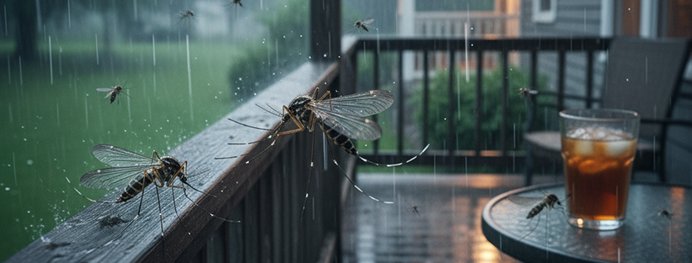
Summer evenings in the Hunter Valley are made for the back deck, but the mozzies usually arrive before the sausages are cooked. If you would rather keep strong-smelling sprays off your skin and your kids, a natural mosquito repellent sounds like the obvious answer. The trouble is that a lot of what gets sold or shared online as “natural” doesn’t hold up once you’re outside for more than a few minutes.
In this guide, the team at CPR Pest Management explains which natural mosquito repellents have real evidence behind them, which ones are mostly marketing, and what you can do around your yard to cut mosquito numbers at the source. We’ll also cover the signs that it’s time to stop swatting and book a professional treatment.
This matters for more than itchy ankles. Mosquitoes in regional NSW can carry Ross River virus and Barmah Forest virus, so choosing protection that works is a health decision as much as a comfort one.
What Makes a Natural Mosquito Repellent Work?
Researchers judge repellents on two things: how well they stop mosquitoes landing on treated skin, and how long that protection lasts (known as protection time).
Plenty of plant-based products sold as a natural mosquito repellent will repel mosquitoes for a short while. Where most fall down is protection time. Essential oils evaporate quickly, so their effect fades well before you’ve finished dinner outside. NSW Health advises that natural products such as citronella, eucalyptus and tea tree oil generally give very limited protection from bites.
That doesn’t make every natural option useless. It means you need to pick the right ingredient, and reapply it far more often than you would a conventional spray.
Oil of Lemon Eucalyptus: The Best Natural Mosquito Repellent Option
If you want one plant-derived ingredient that performs well, look for oil of lemon eucalyptus (OLE) on the label. You may also see it listed as extract of lemon eucalyptus or PMD (p-menthane-3,8-diol). It’s derived from the lemon-scented gum, a tree many locals will recognise from parks and street plantings around the Hunter.
Australian health authorities list OLE alongside DEET and picaridin as one of the most effective repellent ingredients available, and studies have found OLE products can offer protection comparable to DEET-based repellents.
There’s one important catch. OLE is not the same as the eucalyptus oil in your cupboard. Standard eucalyptus essential oil doesn’t give long-lasting protection, so check for “oil of lemon eucalyptus” or “PMD” on the label and choose a product registered with the APVMA (the Australian Pesticides and Veterinary Medicines Authority).
If you’re mainly trying to avoid the smell and greasy feel of DEET, picaridin is also worth a look. It isn’t plant-based, but it has been assessed as safe, has very little odour and is widely available in Australian chemists and supermarkets.
How Popular Natural Mosquito Repellents Stack Up
| Repellent | How well it works | What to know |
|---|---|---|
| Oil of lemon eucalyptus (OLE or PMD) | Good | Recommended by Australian health authorities. Check the label for age guidance on young children. |
| Citronella (sprays, candles, coils) | Limited | Short-lived on skin. Candles only offer a small, patchy zone of protection. |
| Tea tree oil | Limited | Needs frequent reapplication and can irritate sensitive skin. |
| Lavender, peppermint and geranium blends | Limited | Pleasant scent, short protection. Fine for brief, low-risk exposure. |
| Homemade DIY sprays | Unreliable | Strength varies batch to batch and none have been tested for effectiveness. |
| Wristbands, patches and stickers | Very poor | There’s no good evidence they prevent bites. |
Does Citronella Repel Mosquitoes?
A little, and only briefly. Citronella sprays need reapplying often, and citronella candles or coils only help if you’re sitting close by with no breeze carrying the scent away. They make a nice addition to a summer table, but they’re not a replacement for a proper repellent at dusk.
Are Homemade Mosquito Repellents Worth It?
DIY mosquito repellent recipes using essential oils are popular, but there’s no way to know how strong your batch is or how long it will last. Undiluted essential oils can also cause skin irritation or allergic reactions. Save a homemade natural mosquito repellent for low-risk moments, like a quick lap of the garden with the hose, and don’t rely on them near water at dusk.
Do Mosquito Repellent Plants Work?
Plants that repel mosquitoes are a popular summer buy, with citronella geranium, lavender, lemongrass, basil and mint all making the lists. Unfortunately, there’s little evidence that a potted plant on its own reduces bites on your patio. The oils are released mainly when leaves are crushed, and even then the effect is short and very local.
Plant them because you like them, not as a natural mosquito repellent or a form of mosquito control. An overwatered pot with a saucer of water underneath can even do the opposite and give mosquitoes somewhere to breed.
Natural Mosquito Repellent for Kids and Babies
Parents often reach for a natural option first, which is completely understandable. Here’s what health authorities generally advise:
- Babies under 12 months: most repellents aren’t recommended. Use physical protection instead, such as light, loose clothing and fitted nets over prams and cots.
- Older children: choose a lower-strength product, apply it for them rather than letting them do it themselves, and avoid hands, eyes and mouth.
- OLE products: some carry age restrictions, so always read the label before using a natural mosquito repellent on young kids.
If you’re unsure which mosquito repellent for kids suits your family, your pharmacist or GP can help.
Natural Ways to Keep Mosquitoes Away From Your Yard

The most effective natural mosquito repellent of all is having fewer mosquitoes around. They need only a small amount of still water to breed, and in hot weather the cycle from egg to biting adult can take as little as a week or so.
Simple ways to cut breeding around your home:
- Tip out water from buckets, pot plant saucers, toys and tarps at least once a week.
- Refresh bird baths and pet water bowls every few days.
- Clear gutters, especially after summer storms.
- Screen rainwater tank inlets and overflows, which are common on rural Hunter properties.
- Keep pools chlorinated and covered when not in use.
- Repair torn fly screens on doors and windows.
- Run an outdoor fan on the deck. Mosquitoes are weak flyers and struggle in moving air.
- Wear loose, light-coloured, long clothing at dawn and dusk.
Local conditions make a big difference. After heavy rain, low-lying areas on the Hunter River floodplain around Singleton, Maitland and Branxton can see mosquito numbers jump within a couple of weeks. Acreage with dams, irrigation lines and stock troughs gives them even more places to breed. For a broader seasonal plan, our summer pest-proofing checklist covers the whole property, and our guide to preventing fly infestations tackles the other big summer nuisance.
What Attracts Mosquitoes in the First Place?
Mosquitoes find you through the carbon dioxide you breathe out, body heat, sweat and skin odours. Dark clothing and physical activity make you easier to find. That’s why the person sitting still in a light shirt often gets fewer bites than the one working hard at the barbecue.
When Natural Mosquito Repellents Aren’t Enough
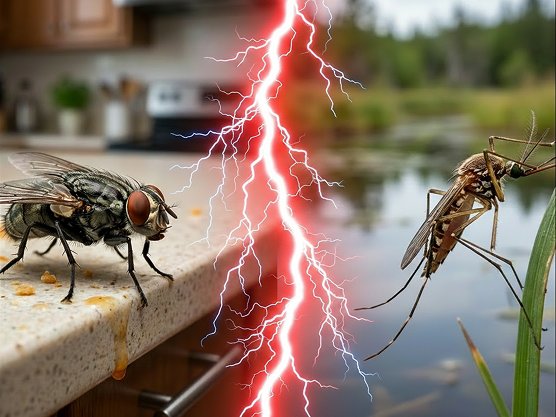
Repellents protect the person wearing them. They do nothing to reduce the number of mosquitoes on your property. It’s time to look beyond natural mosquito repellents if you notice:
- Mosquitoes indoors, even with screens fitted
- Large numbers in the yard at all times of day, not just at dusk
- Water features, ponds, dams or drains you can’t easily empty
- Numbers staying high after you’ve removed obvious standing water
- An outdoor event coming up, such as a party, wedding or family gathering
- Health warnings about mosquito-borne disease in your area
At that point, treating the source is far more effective than reapplying spray every hour.
How CPR Pest Management Controls Mosquitoes in the Hunter Valley
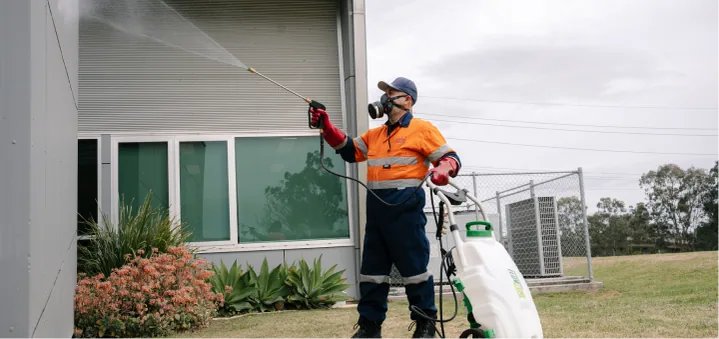
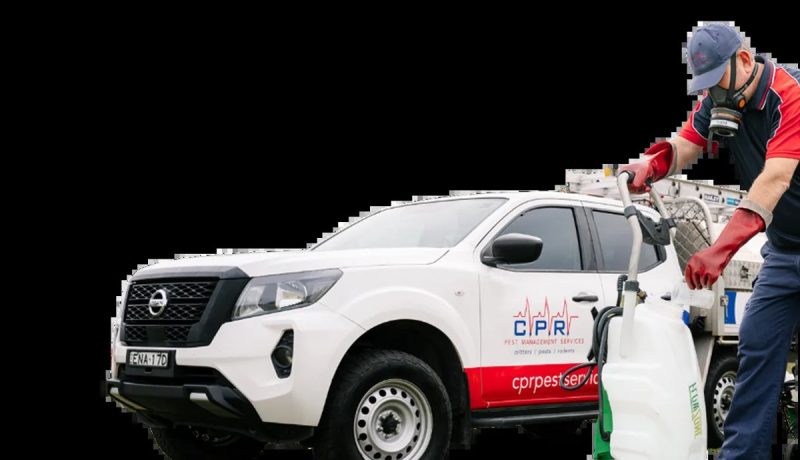
Professional mosquito control focuses on the places mosquitoes breed and rest, so numbers drop across your whole property rather than just around one person. A typical CPR Pest Management treatment includes:
- An inspection of breeding areas such as standing water, gutters, drains and water features
- Residual treatments to fences, eaves, vegetation and structures where mosquitoes rest during the day
- Misting and fogging using natural pyrethrins, which are derived from chrysanthemum flowers
- Larvicide treatment of water features and drains where applicable
- Advice on changes you can make to reduce breeding long term
Where water is involved, such as ponds or dams, we select products appropriate for use near water. You can learn more about our lower-toxicity approach through the Eco Choices range, or read the full details of our mosquito control services.
Timing matters. In the Hunter Valley, we recommend a pre-summer treatment in October or November, with a follow-up after heavy rain. Many households pair this with general pest control to cover ants, spiders and cockroaches in the same visit. For a wider view of the season, see our summer pest control guide.
Why Hunter Valley Locals Choose CPR Pest Management
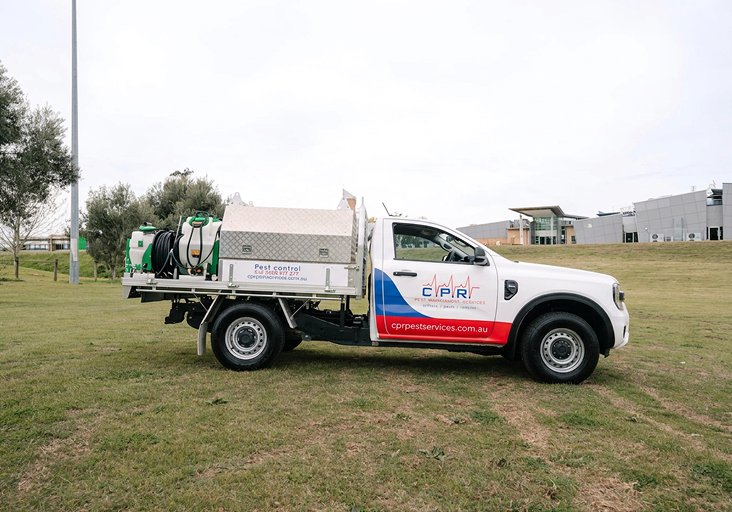
- A family-owned local business that knows Hunter conditions, from river flats to rural acreage
- Low-odour, lower-toxicity products used where suitable
- Treatments chosen for use around children and pets
We service homes and businesses across the region, including pest control in Singleton, pest control in Maitland and the full list of areas we service. Venues, cafés and other businesses can also explore our commercial pest control programs. If you’re comparing providers, our guide on how to choose a pest control company explains what to look for.
Take Back Your Backyard This Summer
The right natural mosquito repellent, ideally one containing oil of lemon eucalyptus, can protect you well when you’re outdoors. Combine your natural mosquito repellent with regular checks for standing water and you’ll notice fewer bites. When they keep coming despite your best efforts, the problem is usually breeding nearby, and that’s where a professional treatment pays off.
Contact our team or call 1300 580 407 to book a mosquito treatment with CPR Pest Management before summer peaks.
Frequently Asked Questions
What is the most effective natural mosquito repellent?
Oil of lemon eucalyptus (also labelled OLE or PMD) has the strongest evidence of any plant-derived ingredient. Australian health authorities list it alongside DEET and picaridin as an effective option.
Does citronella repel mosquitoes?
Only for a short time. Citronella sprays need frequent reapplication, and candles offer a small, patchy zone of protection that a light breeze can easily disrupt.
Are natural mosquito repellents safe for kids?
Not automatically. Some natural mosquito repellents use oils that can irritate young skin, and OLE products may carry age restrictions. Repellents generally aren’t recommended for babies under 12 months, so use nets and clothing instead and check with your pharmacist for older children.
Do mosquito repellent plants work in Australia?
There’s little evidence that growing plants like citronella geranium or lavender reduces bites. Their oils are released mostly when leaves are crushed, and the effect is brief.
Is DEET or picaridin better than a natural insect repellent?
For long-lasting protection, yes. DEET, picaridin and OLE consistently outperform botanical extracts like tea tree or citronella, which need reapplying much more often.
How do I get rid of mosquitoes in my backyard naturally?
Remove standing water weekly, clean gutters, screen tank inlets, keep pools maintained and use a fan in outdoor living areas. If numbers stay high, there’s likely a breeding source that needs professional treatment.
When is the best time to book mosquito treatment in the Hunter Valley?
We recommend a pre-summer treatment in October or November, followed by another after periods of heavy rain when standing water is abundant.
Is professional mosquito treatment safe around pets and ponds?
CPR Pest Management selects products suited to your property, including options appropriate for use near water, and our technicians will explain any precautions for pets before treatment begins.