
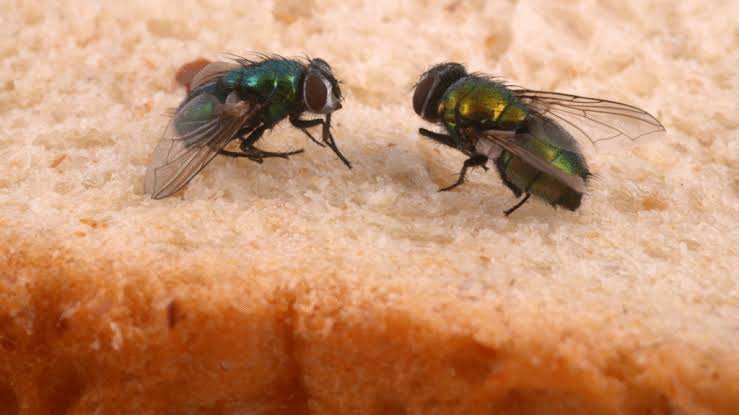
There’s nothing worse than settling in for a summer barbecue, only to spend the afternoon waving flies off your plate. If that sounds familiar, you’re not alone. We get more fly calls between December and February than at any other time of year, and the frustration is real.
The quick answer: to keep flies away this summer, remove what attracts them (food scraps, open bins, pet waste and moisture), block their way in with screens and sealed gaps, and use deterrents and traps both inside and outside. If flies keep coming back, there’s likely a breeding source nearby that needs a professional treatment.
Why Are Flies So Bad in Summer?
Flies are cold-blooded, so their body temperature rises and falls with the weather. When the Hunter Valley heats up, flies essentially shift into top gear.
They Move and Feed Faster
Warmth speeds up a fly’s metabolism. They fly faster, feed more often and cover more ground looking for food and places to lay eggs. That’s why a single fly in your kitchen in July feels very different from a swarm on the back deck in January.
They Breed Much Faster
A female house fly can lay around 500 eggs in her lifetime, in batches of roughly 100. In hot weather those eggs can hatch in under a day and reach adulthood in about a week. In cooler months, the same cycle can take several weeks.
Summer vs Winter at a Glance
| Factor | Summer | Winter |
|---|---|---|
| Activity level | High, fast-flying and constantly feeding | Low, often sluggish or hiding in wall and roof voids |
| Egg to adult | About 7–10 days | Several weeks, or paused |
| Food sources | Plentiful (BBQ scraps, ripe fruit, rotting waste) | Limited |
| Breeding sites | Warm, smelly bins and moist organic matter | Fewer and colder |
| Overall risk | Peak season | Low, but dormant flies can re-emerge in spring |
More flies also means more health risk. Flies land on waste and then on food, and can spread bacteria such as Salmonella and E. coli.
Early Signs of a Fly Infestation
Catching a problem early is far easier than fixing an established one. Check for these signs:
- Flies gathering repeatedly around bins, drains or the kitchen
- Maggots (small, pale larvae) in bins, compost, pet areas or damp spots
- Tiny dark specks on walls, light fittings or window sills (fly droppings)
- A persistent sour or rotting smell you can’t trace
- More flies each day, even after cleaning
Ticked two or more? Flies are probably breeding on or near your property.
How Do I Keep Flies Away From My Home?
If you’re asking “how can I keep flies away for good?”, the answer starts with removing what they want: food, moisture and a place to breed.
Inside the House
- Screen every opening. Fit fly screens to windows, doors and vents, and patch any tears.
- Seal food. Keep fruit, leftovers and pet food in sealed containers or the fridge.
- Wipe up fast. Clean benches, spills and dishes straight after meals.
- Mind your drains. Flush kitchen and laundry drains weekly with hot water to clear organic build-up.
- Empty kitchen bins daily in peak summer, and use bags that tie off tightly.
Around Your Bins
Bins are the number one fly nursery we find on Hunter Valley properties. Keep lids firmly closed, wash bins with hot water and disinfectant every couple of weeks, and let them dry in the sun. Where possible, keep them in the shade to slow down decomposition.
How Do You Get Rid of Flies Outside?
Outdoor areas are harder to control, but a few habits make a big difference.
Fly Deterrent Outside: What Works
- Pick up pet waste daily. It’s one of the fastest fly breeding sites in summer.
- Manage compost. Turn it regularly, cover fresh scraps and avoid adding meat or dairy.
- Remove standing water and rotting fruit from gutters, pot plant saucers and under fruit trees.
- Use a fan on the deck. Flies struggle to fly and land in a steady breeze.
- Clean up straight after a barbecue, including the grease tray.
Natural Fly Repellent Options
If you’d prefer a natural fly repellent, these are worth a try:
| Option | How to use it | Best for |
|---|---|---|
| Essential oils (eucalyptus, peppermint, lavender) | Diffuse, or mix with water in a spray bottle | Doorways and outdoor tables |
| Citronella candles | Burn around seating areas | Entertaining outdoors |
| Herbs (basil, mint, lavender) | Plant in pots near entry points | Patios and kitchen windows |
| Vinegar trap | Apple cider vinegar plus a drop of dish soap in a jar | Catching flies indoors |
Natural options work best as a deterrent. They won’t fix an infestation on their own. For the best fly repellent results outdoors, pair them with good hygiene and, if needed, a professional outdoor fly repellent treatment.
How Do I Kill House Flies That Are Already Inside?
For a handful of flies, simple tools do the job:
- Fly swats and sticky traps near windows
- UV light traps in kitchens and living areas
- Vinegar or fruit traps for small numbers
How Do You Kill Flies Outside?
Outdoors, baited fly traps placed away from seating areas (and downwind) draw flies away from you. Keep them clear of children and pets.
DIY or Professional?
| DIY is fine when… | Call a professional when… |
|---|---|
| You see a few flies now and then | Numbers grow day by day |
| You can find and remove the source | You’ve found maggots or can’t find the source |
| Cleaning makes a clear difference | Flies return within days of cleaning |
Knowing how to exterminate flies properly means treating where they breed, not just the adults you can see. That’s where a professional inspection pays off.
Professional Fly Control in Singleton and the Hunter Valley
If you’ve tried everything and the flies keep winning, it’s not your fault. A hidden breeding site is usually behind it, and finding it is what we do every day.
CPR Pest Control has helped Singleton and Hunter Valley homes and businesses for over 30 years. Our fly and mosquito control service includes:
- A full inspection of breeding areas such as drains, bins, organic waste and standing water
- Targeted treatments including residual sprays, misting and larvicides
- Family- and pet-safe products, with eco-friendly options
- Ongoing prevention plans to keep flies down all summer long
- Same-day response when you need it
Contact CPR for All Your Fly Pest Control Needs
Ready for a fly-free summer? Call CPR Pest Control on 1300 580 407 or book your fly treatment online.
FAQs
What Is the Best Fly Repellent for Outdoors?
The best outdoor fly repellent combines good hygiene (sealed bins, no pet waste) with deterrents like fans, citronella and fly-repelling plants. For ongoing problems, a professional perimeter treatment gives the longest-lasting result.
How Fast Do Flies Breed in Summer?
In hot weather, a house fly can go from egg to adult in about 7 to 10 days, and each female can lay around 500 eggs.
How to Get Rid of Flying Insects Quickly?
Remove their food and breeding sources first, then use traps, screens and fans. If numbers keep rising, book a professional fly treatment.
Do Flies Go Away in Winter?
They slow down and hide, often in roof and wall voids, but surviving flies and eggs can re-emerge when temperatures rise in spring.